
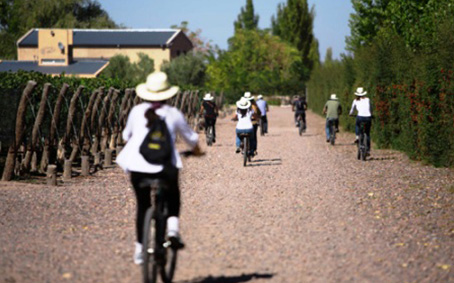
BIKING THROUGH THE VINEYARDS (WITH LUNCH)
-
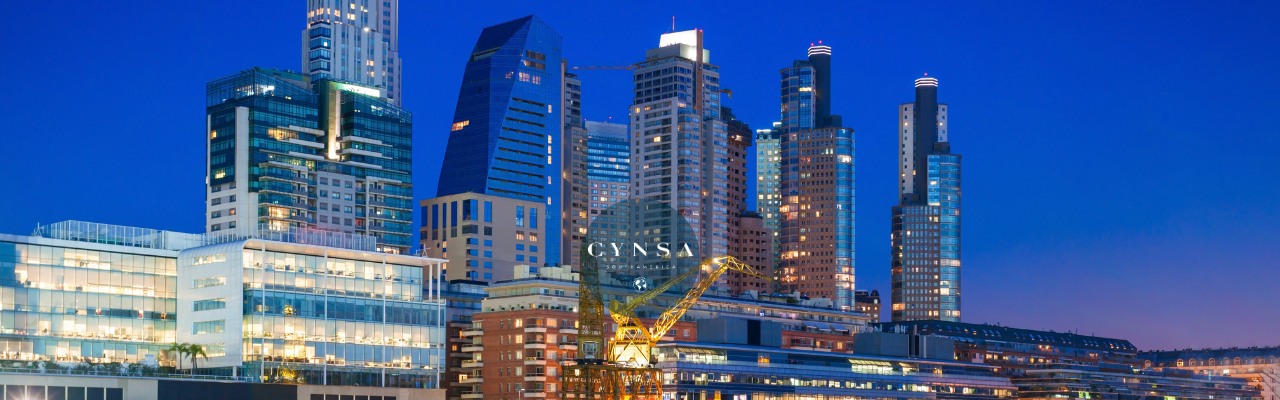 Buenos AiresAuthentic city
-
 Perito Moreno Glacier
 -
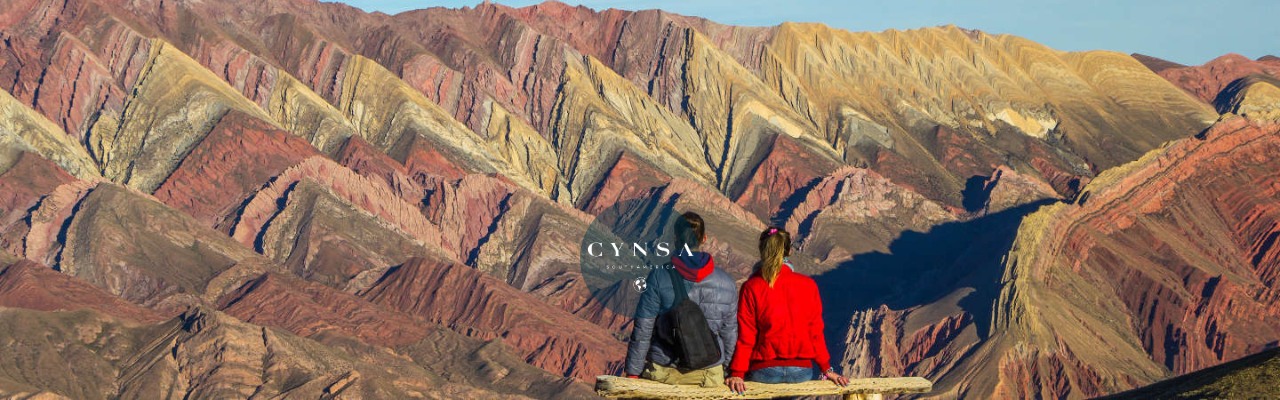 JujuySalinas Grandes
-
 AntarcticaThe White Continent
-
 MendozaLand of mountains, sun and wine
EXPERIENCES
This is an original and enjoyable way to discover the vineyards, the wineries and the amazing wine region of Luján de Cuyo. The main goal of this activity is to enjoy a tour outdoors surrounded by the unique scenery of the Andes and the vineyards. Visitors will get to know two different wineries and their vineyards. In all wineries, guided tours will be provided and also several tastings of the well-known wines they produce. At the end of the tour, in the last winery, a first class lunch with matching wines will be served.
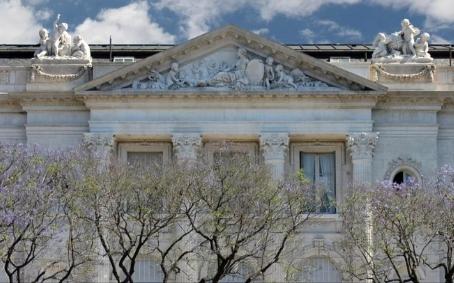
Characterized by a nostalgic, old-world beauty, the city that is referred to as the “Paris of the South” boasts marvelous architectural jewels. We shall explore the elegant Recoleta and Retiro quarters with treed sidewalks, turn-of-the-century palaces and handsome apartment buildings. We shall visit the masterpieces that surround the sprawling Plaza San Martín, a Beaux Arts Palace built as residence for the Anchorena family; an imposing mansion inspired by the Louvre Palace, and a ground-breaking Art Deco skyscraper, a landmark that was at the time of construction, 1936, the highest concrete building in the world. The Museum of Decorative Arts decorated in eclectic style including neo-Classical; Circulo Militar, designed in Paris and built in Buenos Aires for the Paz family; the French Embassy and the Brazilian Embassy; San Martin palace —today the Foreign Affairs Ministry— among other beautiful buildings.
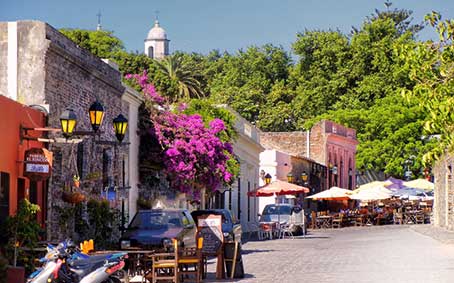
DAY TOUR to Colonia de Sacramento (Uruguay) from Buenos Aires. The District of Colonia is in the south west of the Oriental Republic of Uruguay. It is situated 178 km from Montevideo and only 40 km from the city of Buenos Aires. Washed by the Río de la Plata, the area offers over 200 km beaches and several islands along its coastline. Colonia del Sacramento and Carmelo are in this district, both of utter importance in the historic development of the country. Colonia del Sacramento is situated in the peninsula founded by the Portuguese in 1680, who settled on the coast as they considered them strategic for expansion over the Río de la Plata. Due to this, the area which has been disputed by the greatest European countries is known as “The Apple of Discord”. Its population is formed by immigrants of Swiss, German, Spanish, Portuguese and aborigine origin. The historic area of the city preserves its paving stone streets of the colonial times, and has been declared “Cultural Inheritance of Humanity” by UNESCO. Carmelo is situated on the margins of Las Vacas stream, which keeps important traffic of nautical tourism. Other main sights are the Rambla de los Constituyentes, Playa Seré, Zagarzazú Beach, the Hotel Casino and the Fauna Reserve. Important: Upon arrival in Colonia Port, visitors must go to Buquebus counter to obtain vouchers and the schedules of the contracted services.
BAHIA BUSTAMANTE (CHUBUT)
@visitarg
